

Sam Quealy Strikes Sweet and Sharp on ‘Jawbreaker’
There’s a very specific feeling Sam Quealy captures on Jawbreaker: the mascara-smudged, heart-racing blur between empowerment and emotional collapse when you’re dancing like you don’t care, but you care deeply. It’s the sound of high heels on pavement at midnight. It’s the comedown and the comeback in the same breath.
With her sophomore album, Quealy sharpens her artistic identity into something bold, theatrical, and unapologetically excessive. If Blonde Venus introduced her world, Jawbreaker fully inhabits it: glossier, darker, and far more self-assured. This is electro-pop built for neon lights and emotional exorcisms, where disco strings collide with punchy techno beats and vulnerability wears latex.
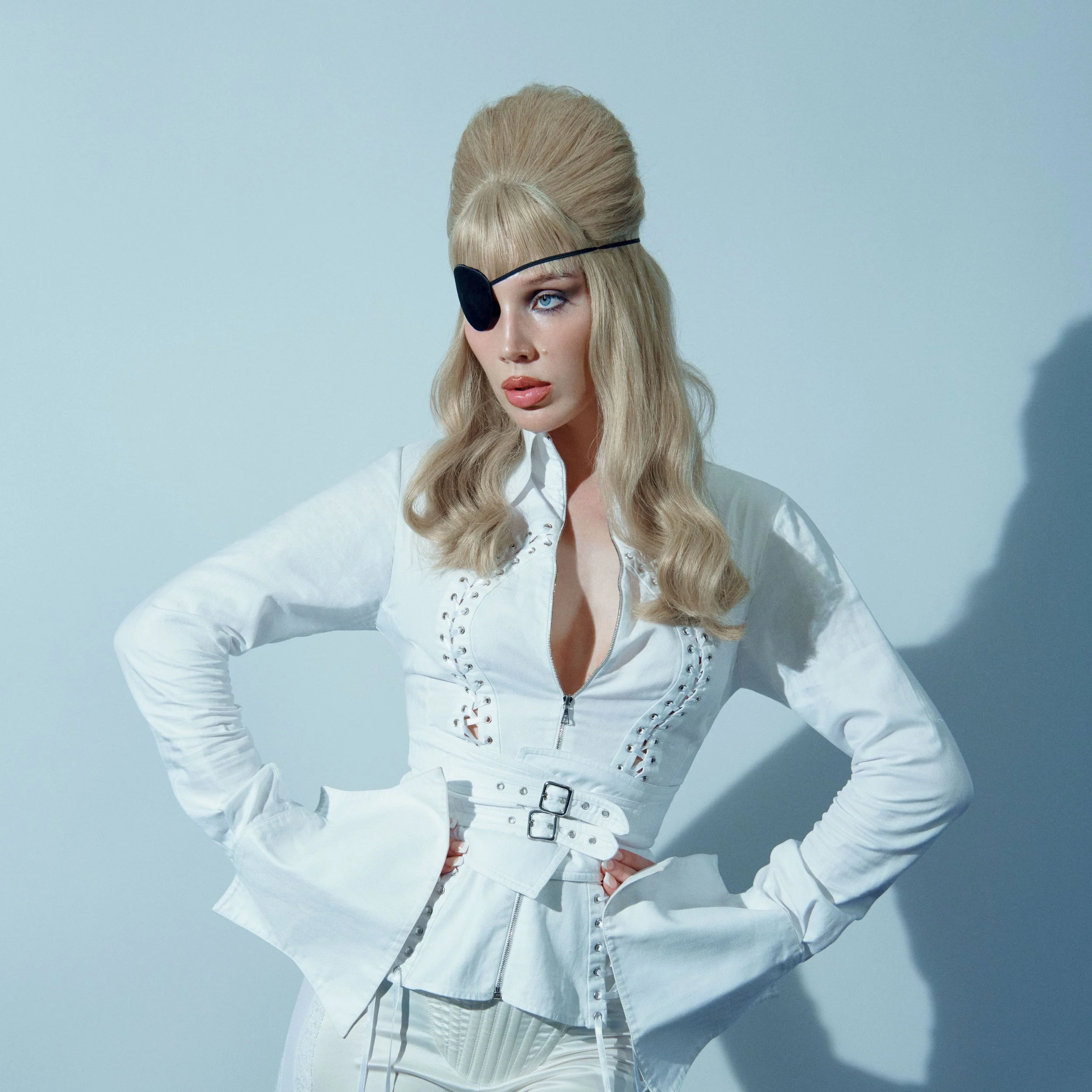
Created in Paris with frequent collaborator Marlon Magnée (La Femme) between their home studio and the legendary Studio Ferber, the album pulls heavily from ’80s and ’90s influences — disco, Eurodance, new wave — but injects them with a sharp, contemporary bite. The result feels nostalgic without being retro, chaotic without losing control.
The album opens with “Londontown”, a shimmering anthem of escape and longing, tracing childhood dreams against adult disillusionment. It sets the emotional stakes early: this is a record about becoming.
But it’s the second track, “Starlight”, that truly hypnotizes. Addictive and mesmerising, it shimmers like a disco ball suspended over dark water. Quealy’s vocals glide over the beat with siren-like seduction, almost mermaid-esque, especially in the chorus: “Now I’m dancing / Like a lover in the night / Starlight, woohoo”. There’s an intoxicating duality here: innocence collides with sensual awakening, vulnerability with rhythm-driven confidence. The repetition of “starlight” feels trance-inducing, capturing that breathless moment when attraction tips into surrender. It’s romantic, yes but also kinetic. You don’t just listen to “Starlight”— you move to it.
Lead single “Girls Night” is pure, unfiltered euphoria. It’s lipstick applied at 10:45 p.m., Westwood gowns, roller curls, and stepping into the night like it’s your personal runway. The hook — “Love is what it’s all about when we take the night” — turns reckless abandon into something communal and almost sacred. There’s humor and chaos woven into the narrative (waking up downtown, heels on the floor, a stranger in the room), but the track never feels messy for the sake of it. Instead, it celebrates female camaraderie and the ritual of dressing up, going out, and reclaiming the night. The chant-like repetition of “It’s just a girls night” makes it festival-ready and a glitter-soaked manifesto of freedom.
Then comes “Pussy Power”, and the switch flips. Driven by production that evokes vintage arcade and video game soundtracks — sharp, electronic, almost pixelated — the track is a bold, tongue-in-cheek anthem of feminine dominance. Quealy leans fully into hyper-femininity as power play: “Do you feel my power? The feminine power.” The repetition is deliberate, hypnotic, turning the phrase into both rallying cry and club command.
Lyrically, it’s camp, confrontational, and knowingly exaggerated. The playful bravado reframes sexuality as ownership rather than objectification. It’s theatrical, a little outrageous, and completely self-aware, blending underground provocation with glossy pop precision. The track feels like neon-lit empowerment, joystick in hand, high heels on.
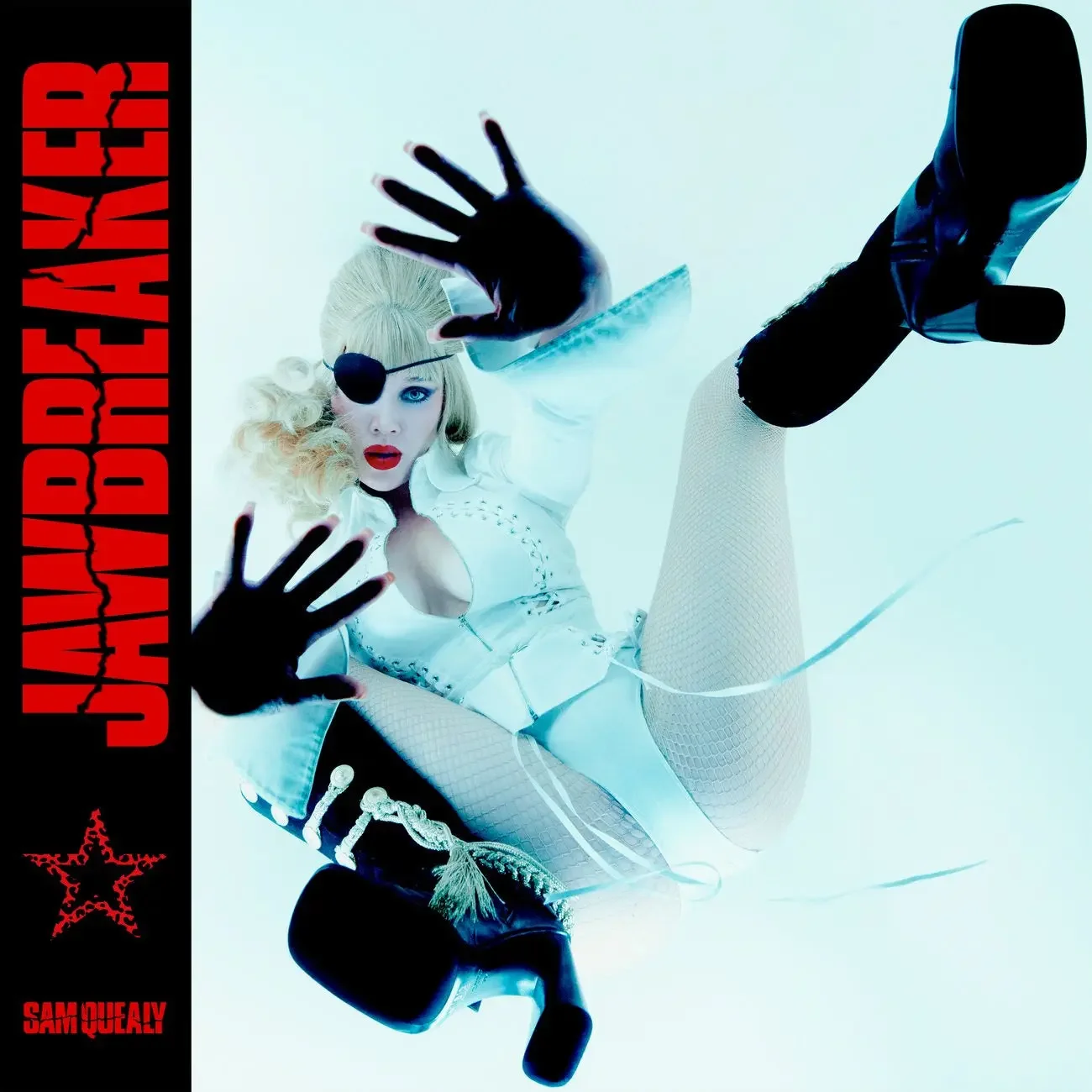
“Jawbreaker” distills Quealy’s entire aesthetic into three minutes of glitter and threat. “Smile so sweet but my soul’s way faker” perfectly captures the album’s central tension: softness masking steel. The production crackles with urgency being punchy, kinetic, slightly chaotic and mirroring lyrics about fake friends, venomous kisses, and icy self-possession.
Lines like “Ice in my veins, every move cuts faker” and “Voice like a curse and my kiss got venom” transform Quealy into a high-fashion antiheroine stalking a strobe-lit underworld. There’s attitude in every syllable. The repetition of “If you want it, I got it” becomes both seduction and warning. It’s campy, fierce and deliciously dramatic like the kind of track that demands strutting, not walking. It’s impossible not to be obsessed.
Elsewhere, Jawbreaker continues its emotional oscillation. “Say My Name” and “Love Lasso” explore vulnerability and romantic chaos; “Flying Solo” delivers a clean-cut independence anthem; “Strings of Terror,” inspired by Hitchcock and Tim Burton, leans into gothic surrealism with haunting violins and theatrical dread. Yet the album softens toward its close. “By My Side” offers dreamy companionship, and final track “Love Fontaine” strips everything back. Written on omnichord, it feels fragile and sincere, like a gentle exhale after a storm. It’s a promise of healing, rest, renewal. After all the glitter and venom, Quealy leaves us with something startlingly tender.
With Jawbreaker, Sam Quealy doesn’t just embrace contradiction, she thrives in it. The album feels like a night out, a breakdown, a breakthrough, and a rebirth all at once. You dance. You cry. You kiss someone you shouldn’t. You leave the party changed.
WHERE TO FIND SAM QUEALY
Facebook | X | Instagram | Spotify | Apple Music